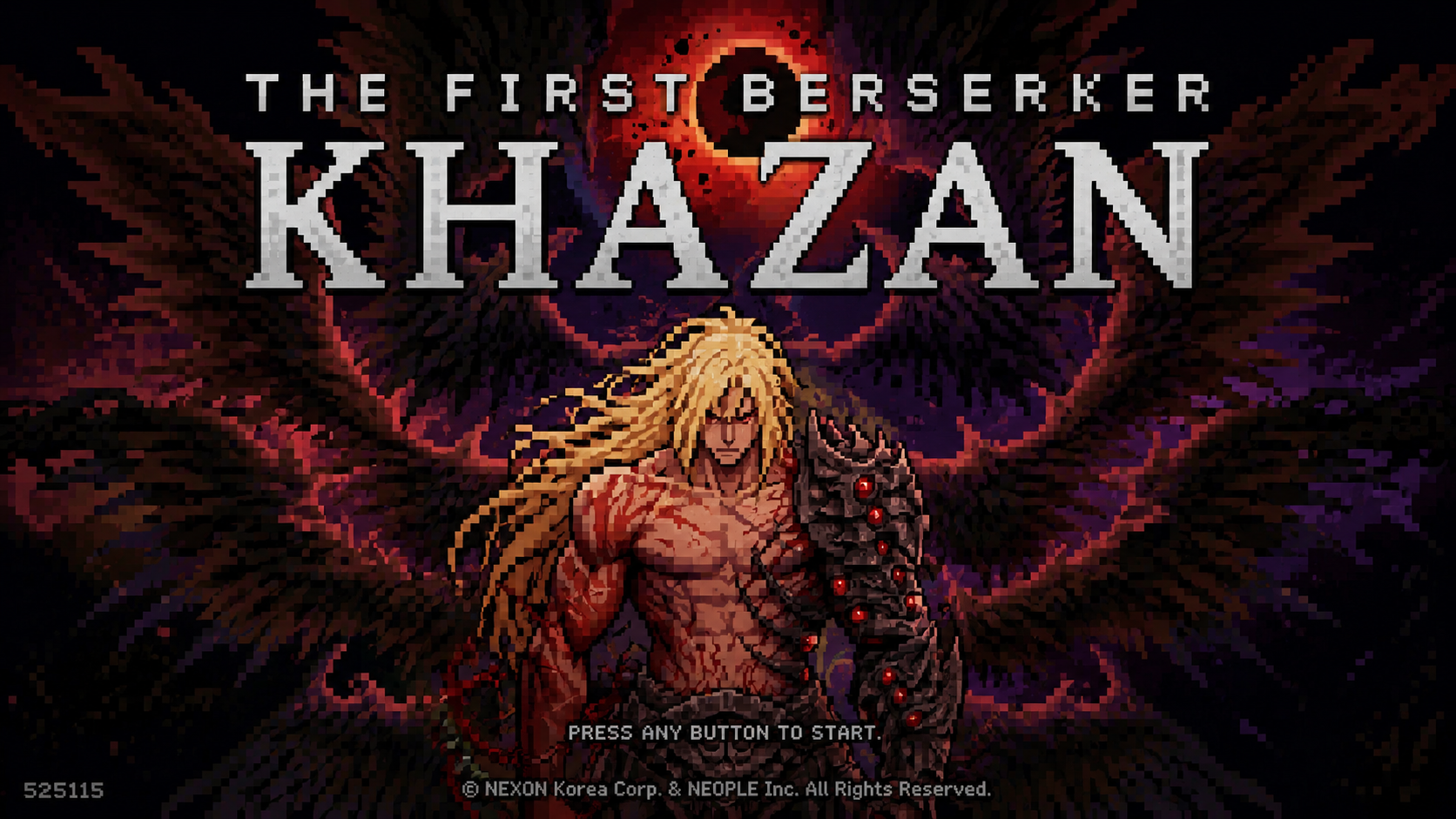
Souls-likes are an increasingly popular genre in the game industry. It's not hard to imagine why, considering the genre's immense success in the hands of FromSoftware — and being my favorite genre of gaming, I am certainly not one to complain. However, not every one of these inspired works is perfect, as difficulty and action are not the only reasons FromSoftware's games are incredible. The true draw lies in the full package, and while these games are still incredible, some do not yet live up to their inspirations.
◆ INTRODUCTION
The First Berserker: Khazan is an ARPG developed by Neople and published by Nexon. These studios are responsible for the online side-scrolling action game Dungeon & Fighter Online, or DNF for short, an apparently hugely popular game in Eastern markets. Khazan acts as a sort of prequel to the world and lore of DNF, though it takes its inspiration from an entirely different genre under the popular souls-like banner. As a result of the change, the gameplay is heavily focused on difficulty, standing as one of the most challenging games I've played to date. It is very fun to play, but I found it a bit lacking outside of its combat. However, it shows incredible potential, and I simply can't help but root for its success.
◆ GAMEPLAY
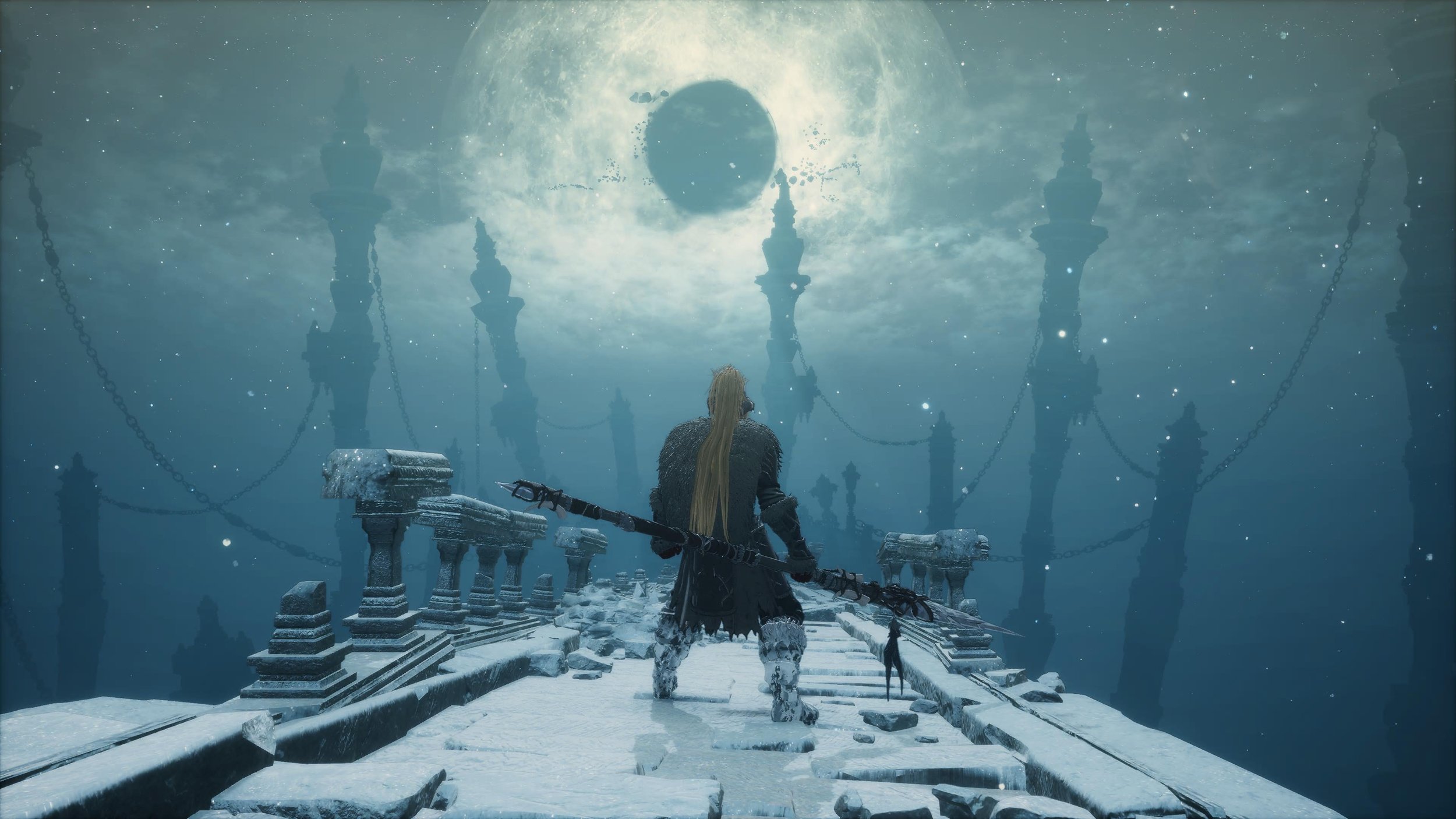
Combat is by far the most notable aspect of the game. Compared to a large RPG like Dark Souls, the options to approach combat are limited, but this condensing of approaches has led to a satisfyingly refined combat system. Khazan, the protagonist, has three weapon types to choose from: slow but powerful greatswords, quick spears for stunning enemies, and a dual-wielded sword and axe that acts as a middle road between the other two. Each has its own impressive skill tree, and it is clearly intended that you pick a favorite and stick to it, so I used the spear on my first playthrough. The gameplay loop involves fighting your way through many challenging enemies in linear, and often looping, levels, before fighting a boss at the end. The variety of enemies and bosses is very impressive, displaying a great passion for challenge and action in gameplay.
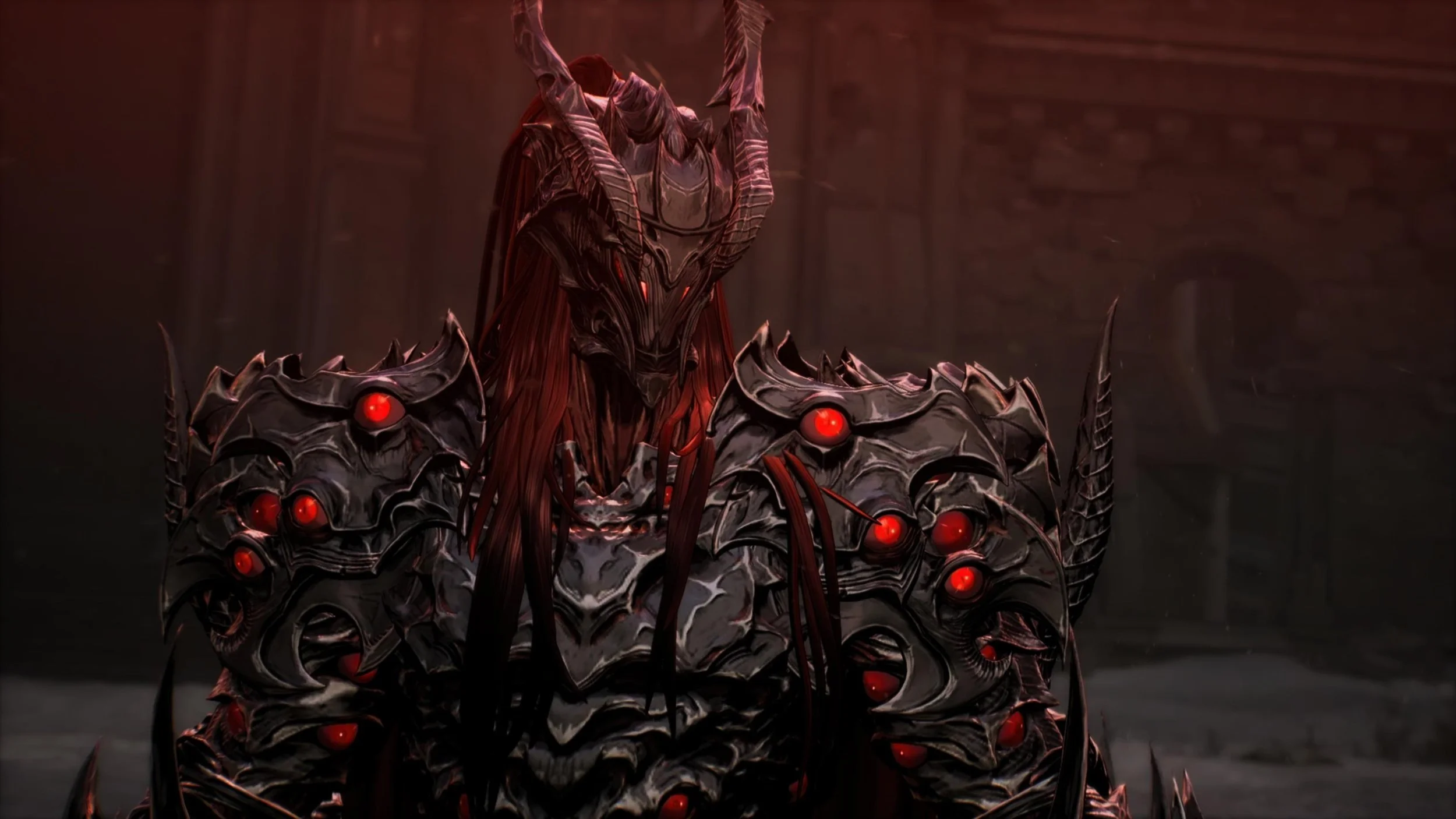
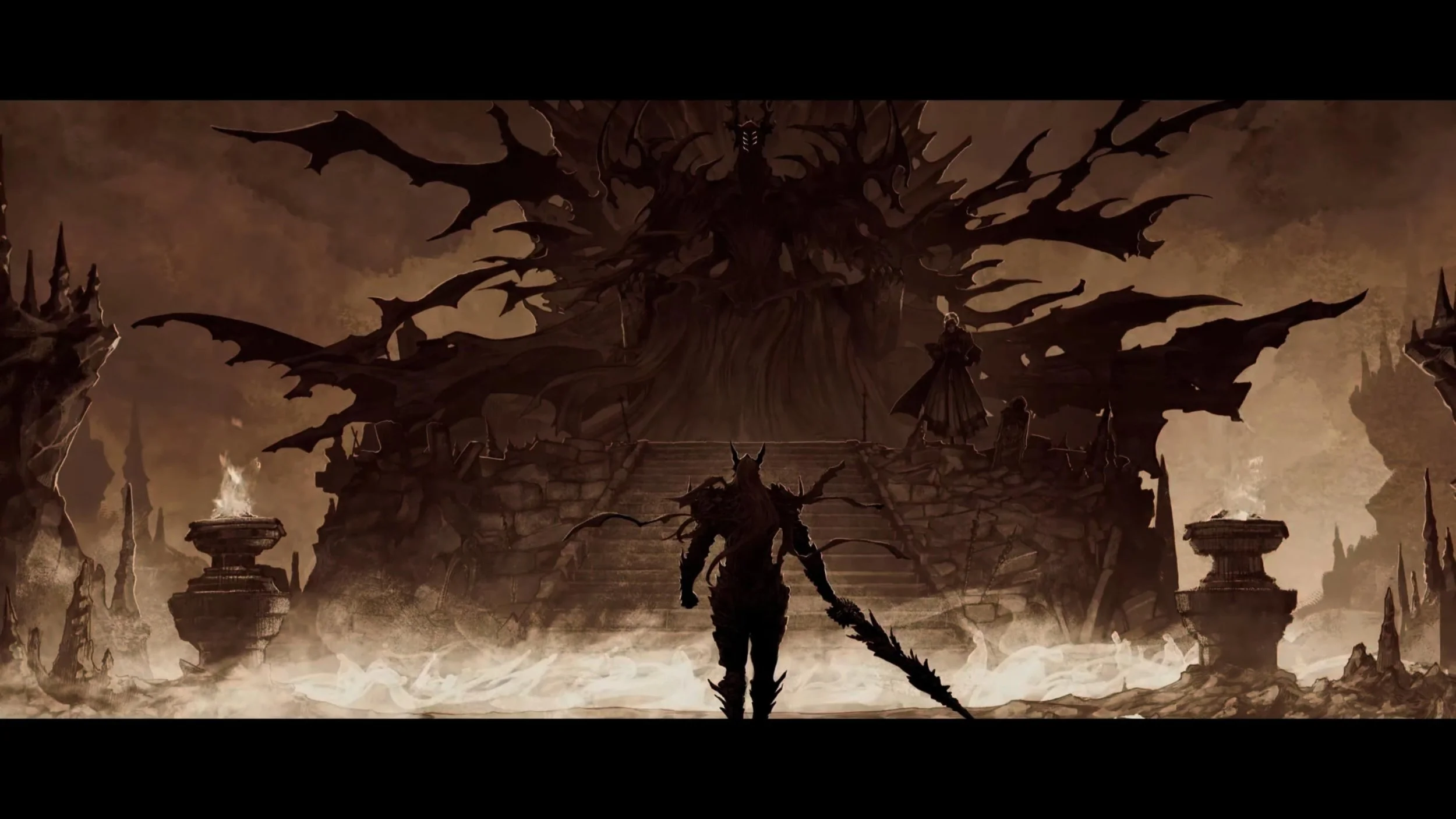
Difficulty is a crucial aspect of this game's design, with large enemy health pools and an abundance of negative status effects able to be inflicted on Khazan. The larger part of my time with the game was spent dying and trying again, something I am fairly used to at this point, but this game in particular had me fuming a bit more than others. I love the feeling of overcoming a great challenge, especially in this game… but sometimes the challenge can go a little too far. What I'm speaking of specifically does not refer to the core mechanics of gameplay — as I previously addressed, these are fantastic.
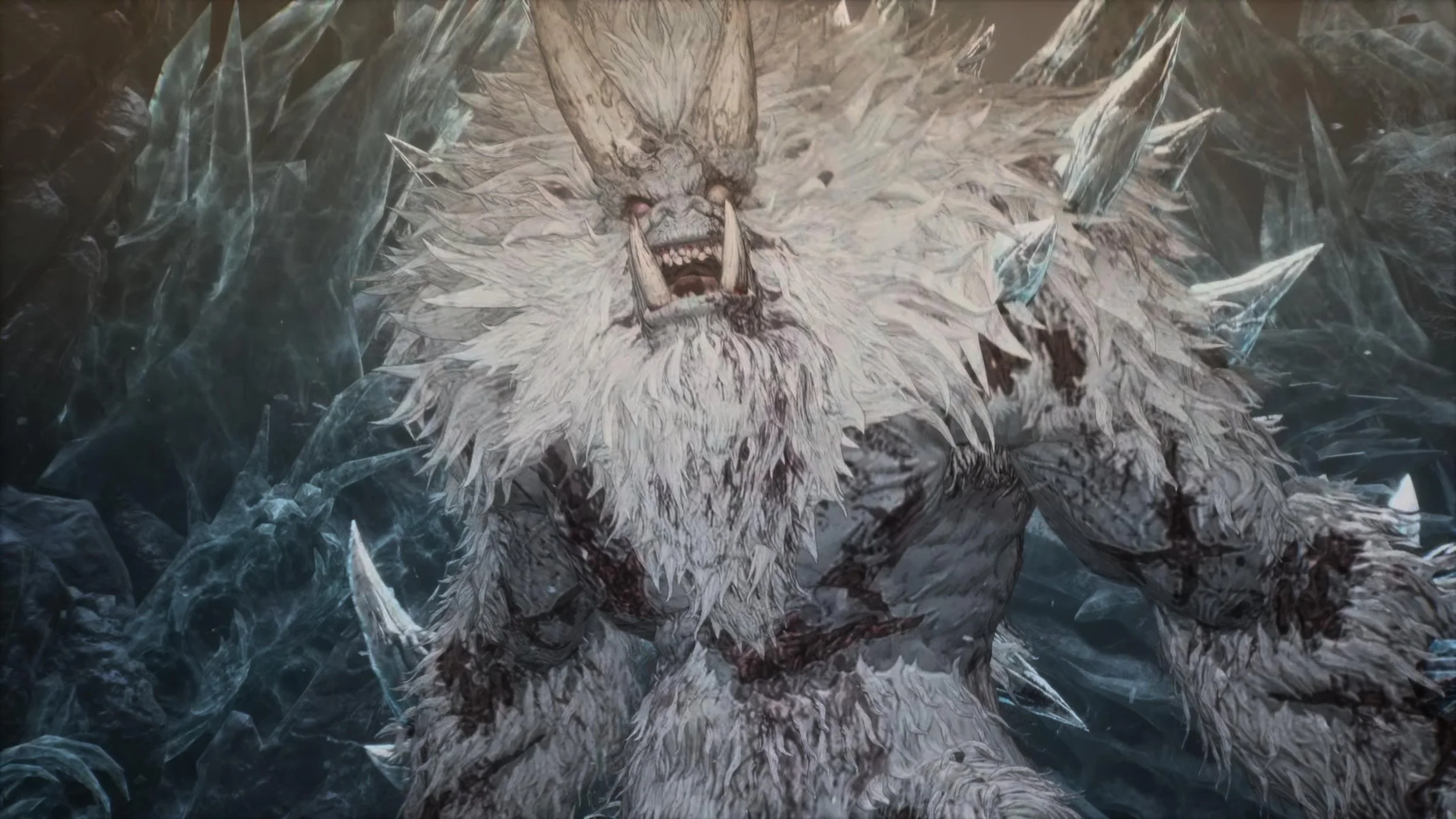
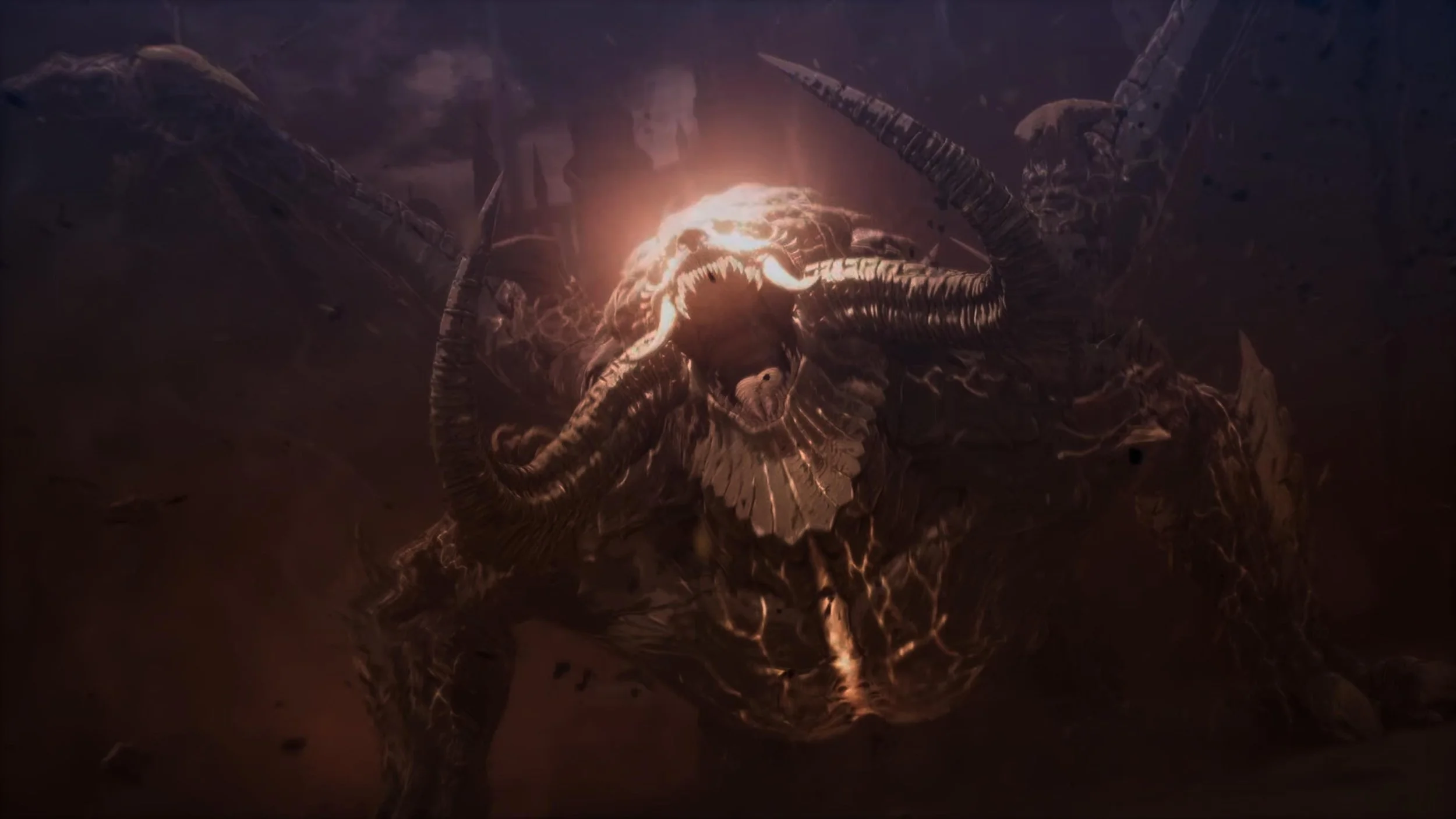
The problems for me arose when some bosses and enemies had insanely huge health bars and inflicted some very unfair-feeling status effects. Poison effects were especially irritating in this case, as there are strangely three different forms of poison: regular, venom and plague, all with different ways of curing them, but all eating away at Khazan's health over time, which became difficult to handle while fighting enemies. Since there are so many status effects, and usually only one item cures one status effect, fights that use, say, a poison effect are quite overwhelming, and at times detract from the boss or enemy itself. A boss can of course use effects, but this must be in moderation, as the most enjoyable thing about a boss is the stronger and more unique design of the enemy — something that is distracted from when the player is dying to a status they couldn't cure in time, rather than a telegraphed attack.
The most enjoyable thing about a boss is its design — not dying to a status you couldn't cure in time.
Exploration and level design are quite good, as the environment can often be as much of a threat as the enemies. Part of me wishes there were more paths and options to take through levels, but this didn't seem to be a priority for the developers — again, focusing heavily on combat and linear areas. Since this game isn't purely a souls-like, it is hard to judge whether such linearity is an issue for me. The gameplay is so similar that I find it hard not to compare it to the souls games, but such comparisons may be distracting from the developers' true vision. At the end of the day, I prefer more options in traversal of environments, but I greatly respect their commitment to refining combat alone.
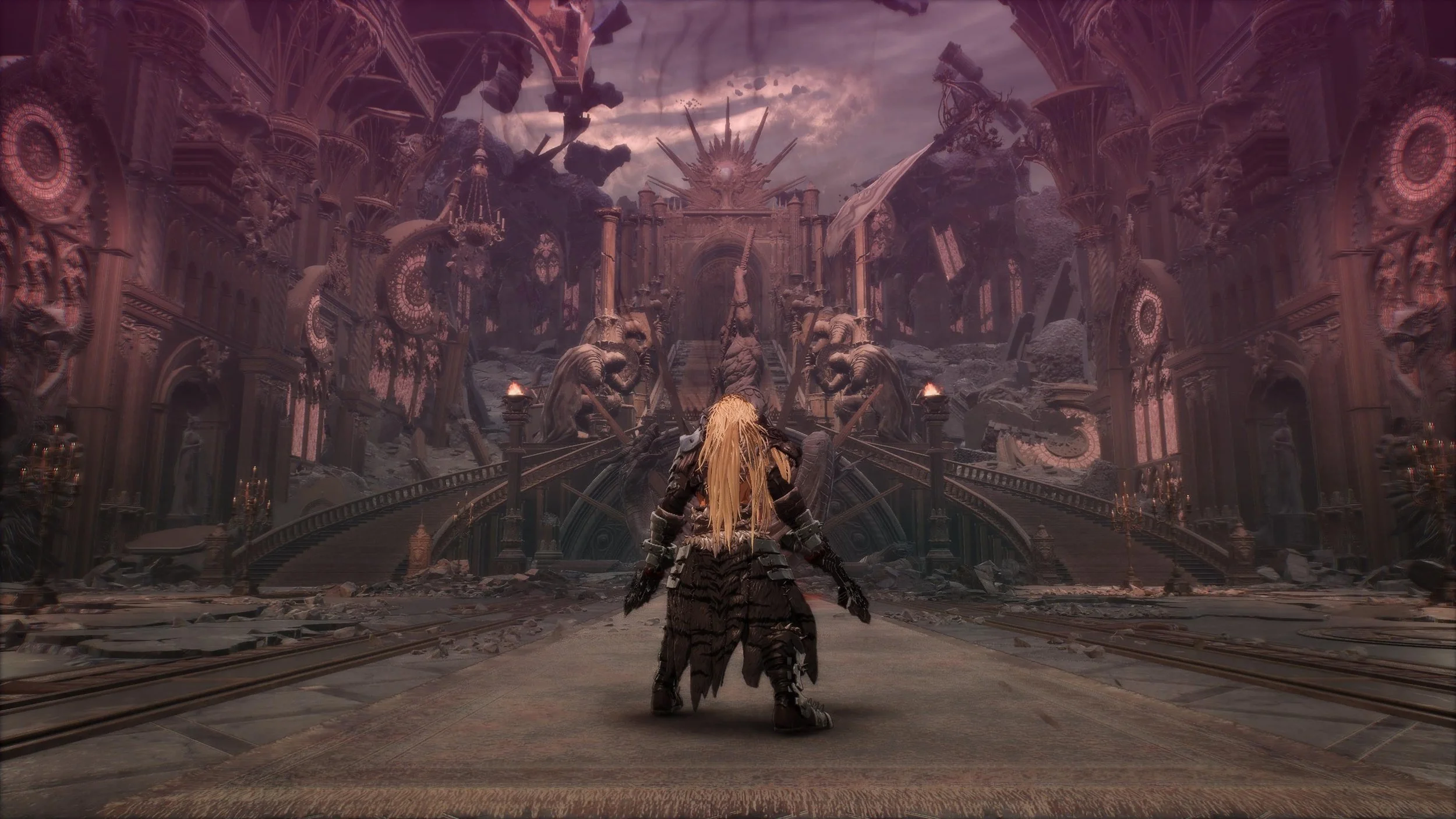
The game has a very decent amount of content, clocking in at 40 total levels, so it is surely worth its price in sheer content. However, the quality of this content can vary when it comes to side quests and 100% completion. A serious gripe of mine is that all the side content involves reused areas and bosses, which — while clearly separated from the main story missions — was still a bit disappointing to a completionist like me. If you want to do all the side content, you will be traversing levels you've previously completed time and time again, sometimes even ending with the exact same boss you fought in the preceding main story mission. This isn't unforgivable, as the main story remains fun and unique with each level, but it is certainly something to work on.
The last aspect of gameplay I'd like to discuss is loot — or more specifically, how loot is presented to the player. All RPGs have vast arrays of loot to claim from encounters, something that makes RPGs the game industry beasts they are. Khazan is of course no different, but compared to the souls games it is inspired by, its rewards fall short. Khazan uses partly randomly generated loot drops to reward the player for beating bosses and strong enemies. The quality of the drops scales with the player's level or progress in the game, rewarding better equipment to complement higher levels.
Unfortunately, this partly random loot felt far less interesting to collect, knowing that where the items I was collecting were located was of little importance. Compared to a game, again, like Dark Souls, where items are meticulously placed in specific spots to tell a story or reward the player for specific feats, this game's system of random loot was far less interesting, once again falling more into a gameplay-first philosophy. The equipment you collect is certainly helpful in creating an amazing build, but more often than not, you are picking up duplicates or very slightly better equipment with few discernible traits. At the end of the day, this game just focuses far more on its combat than anything else, resulting in super fun gameplay, but sacrificing world building in the process.
◆ STORY
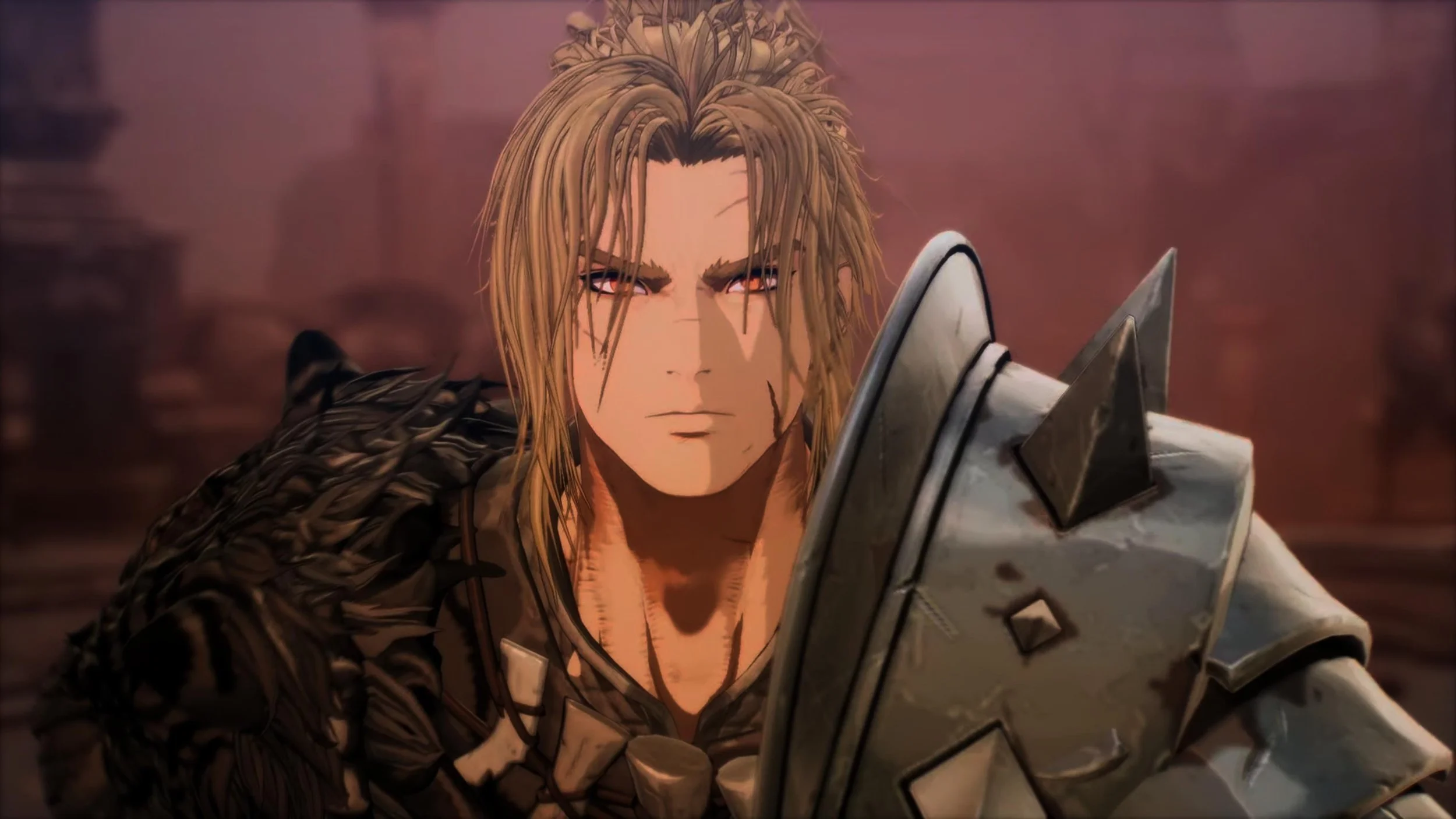
Khazan's story is conceptually very good, and offers plenty of twists and intrigue to keep the player invested. It all revolves around Khazan, a war general for the kingdom of Pell Los, who along with his best friend, the mage Ozma, defeated the dragon Hismar some time ago. Unfortunately, Emperor Pahlmerier of Pell Los betrayed them afterward, and had Khazan exiled and Ozma supposedly killed. The story begins with Khazan being escorted through the mountains by his captors, when suddenly a malevolent ghost kills them all and possesses him. This ghost is Blade Phantom, and he's on a mission from Charon, the ruler of this world's underworld: the Netherworld. Phantom's mission, which is revealed over the course of the game, is to investigate and stop a strange disturbance in the order of the Netherworld, and he needs Khazan's body as a physical form to do so. Khazan ends up overpowering Phantom, but instead of banishing him, decides to make a pact: he will help Phantom as long as Phantom helps him get revenge on the emperor.
I think this is a fantastic setup for an intriguing story of betrayal, action and revenge. In one breath the player is shown the brutality Khazan has experienced, the name of the antagonist and two intertwining plots. The intro also does great work setting up the back-and-forth dynamic between Khazan and Phantom sharing the same body over the course of the story, something I was incredibly interested to see moving forward as both characters change and potentially connect over the adventure. I ended up a bit disappointed with this dynamic, but I will leave that for my analysis at the end.
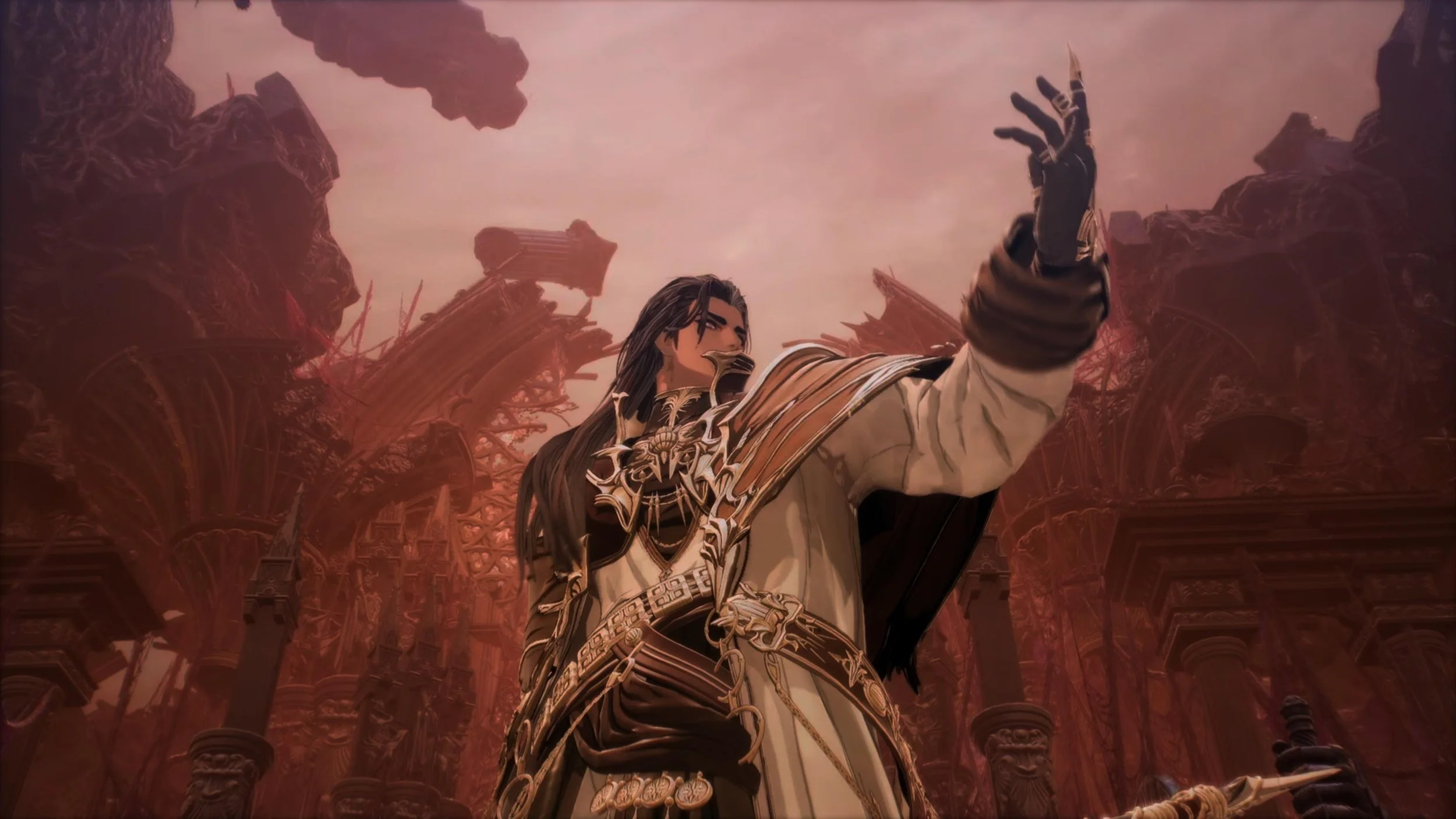
Over the course of the story, the pair follow a trail of Netherworld magic to discover the cause of what Phantom describes as disorder in the Netherworld. It seems that someone is tampering with its magic, causing an imbalance between life and death. Along the way, Khazan hunts down those responsible for betraying him, with the ultimate goal of confronting Emperor Pahlmerier himself. Both of these goals begin to intertwine when it is revealed that Khazan's friend Ozma is actually alive — and is the true orchestrator of the emperor's betrayal of Khazan.
The reasons for his sudden turn to evil link to his meddling with Netherworld magic, placing him as the source of all the conflict in the story. Over multiple missions it is revealed that Ozma began meddling with Netherworld magic in an attempt to resurrect his love Reese, who was murdered by the emperor when she refused to become his concubine. Ozma, unable to cope with this loss, began studying Netherworld magic to bring her back, eventually discovering an incredibly powerful magic called Chaos. Unfortunately, while Chaos could resurrect her body, Reese's soul was lost forever. This sent Ozma into a frenzy as he became convinced that all human life was meaningless, betraying Khazan, his loved ones and eventually the emperor himself, killing him soon after this is all revealed to the player.
This gives me the chance to talk about a big gripe of mine with the story: how it is told. The player never gets to meet Ozma before the final boss where you defeat him, so the betrayal of the friendship he had with Khazan doesn't have as much impact. A good way to slightly solve this issue would've been to have a prologue mission where we at least for a second get to see the dynamic between Ozma and Khazan, and I think a perfect event for that prologue would've been the battle with the dragon Hismar. The whole story stems from this battle, so it just makes the most sense to me to start there, and then jump to the point where Khazan is captured — that way, the player at least has seen Ozma a bit and can feel a bit more betrayed when he becomes the antagonist. Unfortunately, the game has little desire to spend time on plot points like this, and moves forward to the next level again and again.
The rest of the story revolves around Khazan coping with the corruption of his best friend and Ozma's destruction of the entire empire. Something the story actually does very well is hammering home Khazan's despair and loneliness. With Ozma corrupting and destroying the kingdom, Khazan has lost all of his old friends, everyone he loved and even his home. By the end of the story, all he has to keep him going is revenge, and he achieves that goal.
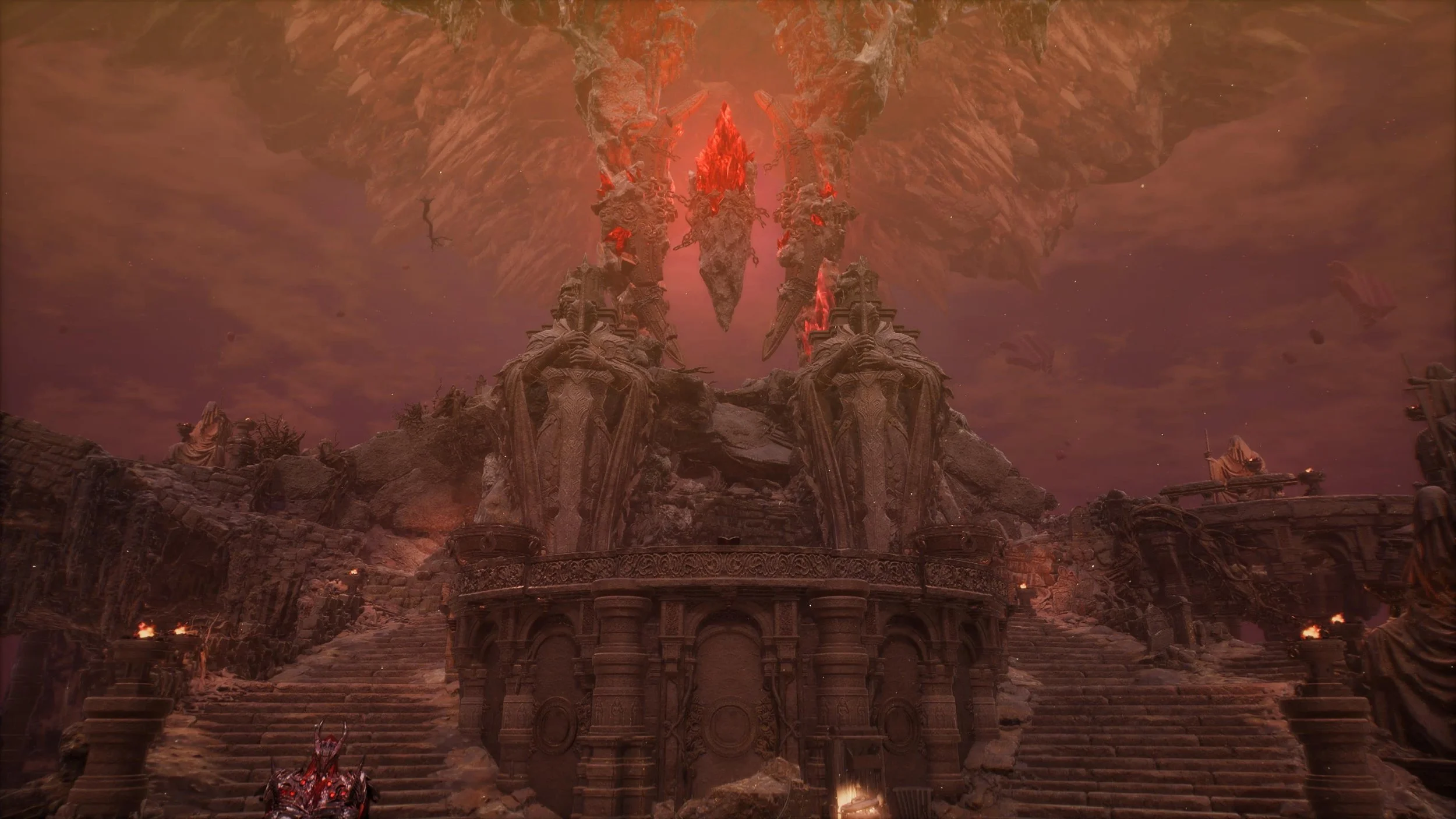
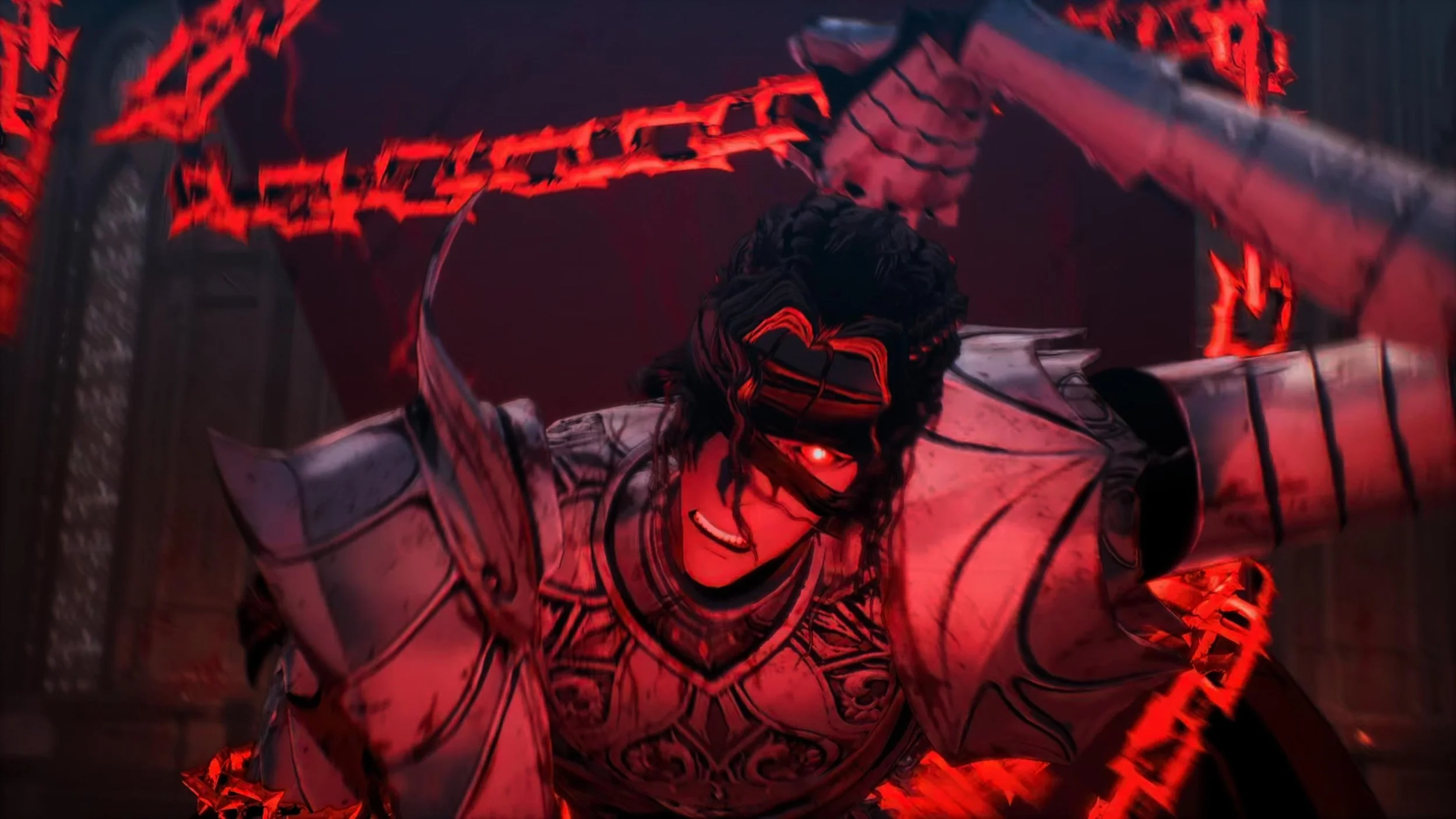
The finale results in a battle with Ozma at the heart of the Pell Los Empire. As much critique as I gave this game, its combat is still honed almost to perfection, and I must say, the final boss against Ozma is probably one of the best boss fights I've ever played. The music, the design, the attacks, the crazy length — it all comes together to create a battle experience I will never forget. Ending on a high note, enjoyment-wise that is, the story closes on a cliffhanger with the reveal of an even greater being beyond Ozma that may have created Chaos magic and set all these things into motion. Khazan and Phantom go on to confront this being, perhaps hinting at future games to continue the story.
I still love the story this game tells. I only wish the game was willing to do more with it.
Unfortunately, by the end of the game I was disappointed to see just how little both Khazan and Phantom change and bond over the story. The story makes little effort to give its characters any breathing room to interact and change, instead focusing on combat. The reason I have such a problem with this is because the setup and introduction were so incredibly good. To see such potential stop in its tracks nagged at me, as in every moment of gameplay I felt that intrigue and investment, and constantly had to lower my standards in regards to story to meet the game at its primary intentions. I still love the story this game tells; it is full of awesome designs, creative ideas and concepts, and is just plain cool. I only wish the game was willing to do more with it.
◆ CONCLUSION
Overall, The First Berserker: Khazan is a brutally difficult, but very enjoyable game. It has very cool concepts and writing, but could use some work on storytelling, perhaps giving more focus to the characters, creating arcs and relationships that change throughout the story. The real highlight of this game is its combat, which in my opinion is matched only by other action elites such as Sekiro. I would highly recommend this game for its combat alone, but rating it as a whole, there is room for improvement — and that is not a bad thing. The developers honed combat to its technical limits with firm dedication, so the logical next step would be to expand that dedication to the rest of the experience.
◆ TRANSMISSIONS ◆
Played it? Have thoughts? Share them below.
Keep it PG-13, yo. ❤