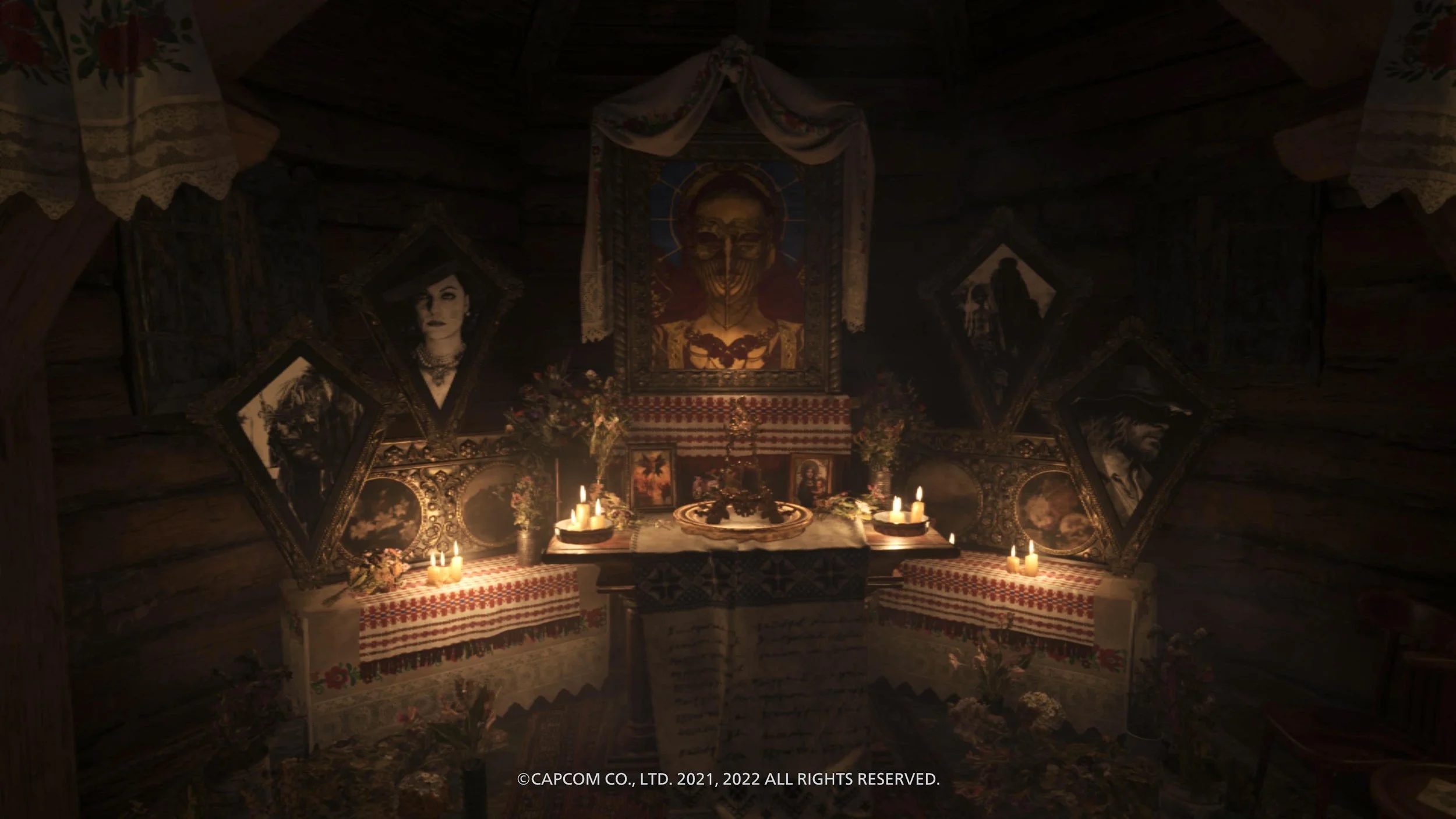
Often the biggest franchises in gaming consist of a series of peaks and valleys. It’s almost ensured thanks to the changes in leadership, goals and audiences over time. Unfortunately for developers, success and disappointment tread a weirdly fine line. Perhaps a recurring formula becomes stale resulting in a disappointment in innovation. Well, another franchise will come back to their old formula and be praised for their return to form. This hilarious, yet difficult line has many examples, but the root cause of most of them comes from the clash between pleasing audiences and innovating on what came before. The best games will attempt to do both, but unfortunately, the most disappointing games tried and failed to do just the same.
◆ INTRODUCTION ◆
Resident Evil Village is the 8th mainline entry in the survival horror series developed and published by Capcom in 2021. Acting as a direct sequel to Resident Evil: Biohazard in both gameplay and story, Village had an impressive amount of hype and acclaim. It’s no wonder considering Biohazard’s immense success in introducing a more terrifying experience to the series, which had strayed further away from horror into action at the time. I left Biohazard wanting more, so when Village came around, I of course jumped right in expecting just that. Unfortunately, I ended up being disappointed with the game as a whole. I found the game unrefined to put it into one word. It takes the first-person approach of its predecessor and attempts to add more to… everything. More exploration, combat, story and horror sounds great on paper, but adding all of this at once left the game big yet unrefined, something the RE series has actually struggled with in the past with its 6th entry. With the power of hindsight, I am happy to report that Capcom learned their lesson in the absolute best way with their most recent entry, but Village will remain in my mind as a helpful reminder that bigger does not always mean better.
◆ GAMEPLAY ◆
To start positively, combat in this game is a fun and robust improvement on its predecessor’s. Biohazard only contained two or three enemies in its main story, and their placement throughout was quite sparse thanks to that game’s extreme focus on horror over action. Village on the other hand has whole groups of enemy types including lycans, vampires and mechanical monstrosities. In addition to more enemies, there are more ways to destroy them with an impressive selection of weapons to be found, upgraded and purchased throughout the playthrough. Pairing this with great placement and abundance of encounters leads to a thrilling combat experience that rarely gets stale.
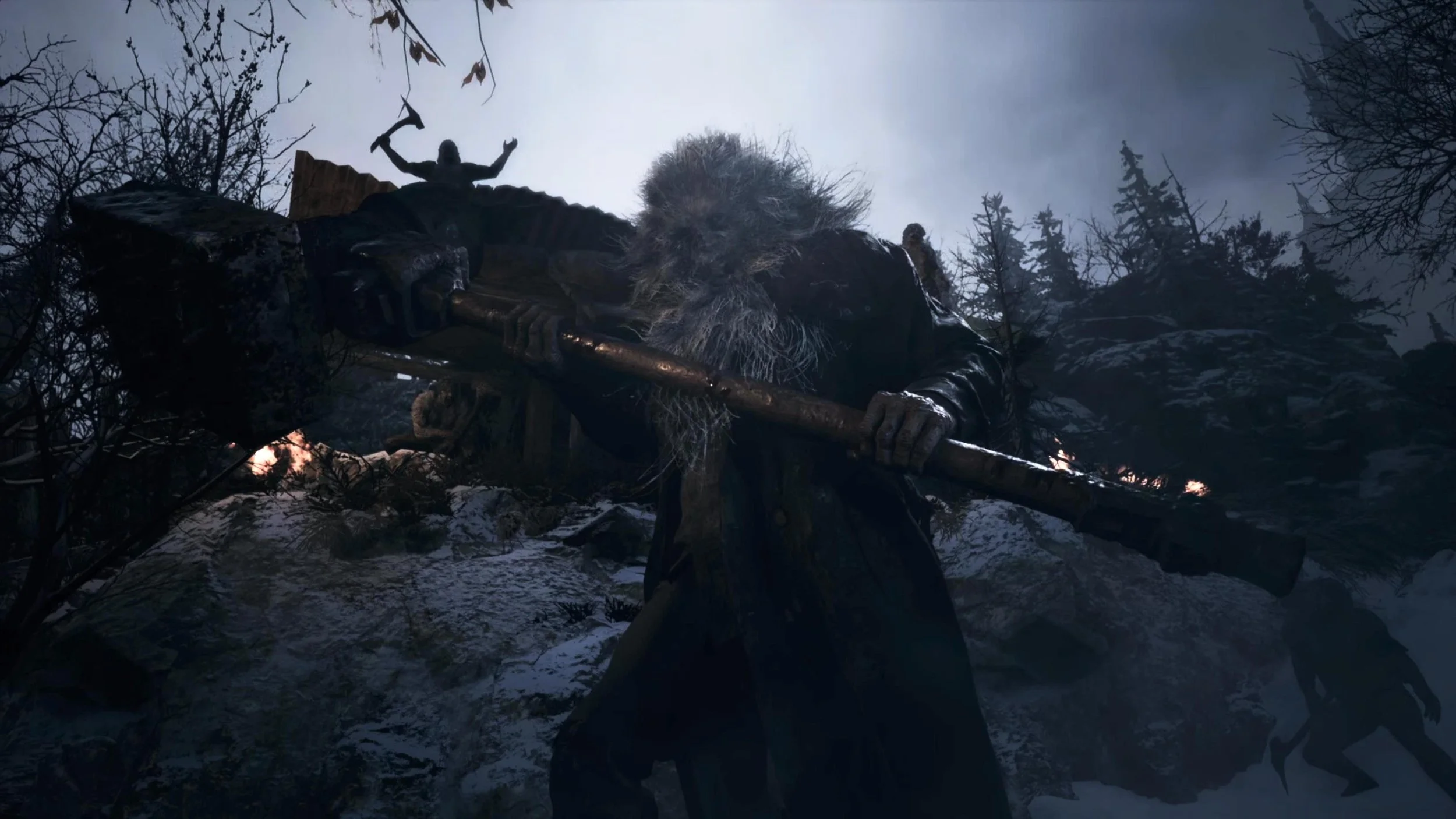
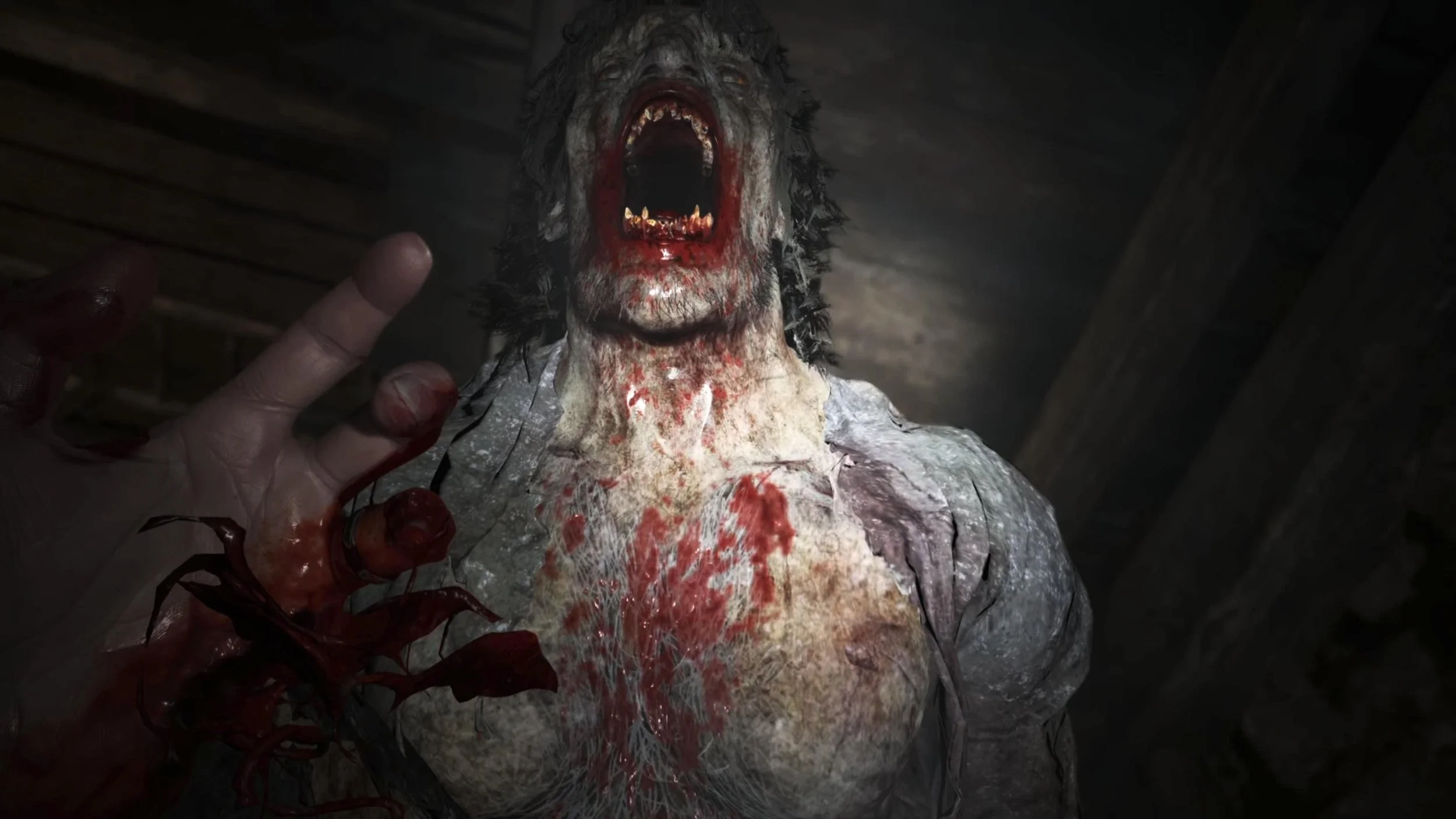
Unfortunately, the additions to combat sacrificed most of the other aspects that made Biohazard so great. Nowhere is this more prevalent than in Village’s survival horror experience. Of course, jumpscares and tension will always be present in this series, but this game is severely lacking in a consistent feeling of tension that all horror games need. There is only one section aside from the opening where I felt truly terrified playing, and that was in the House Beneviento area where the game temporarily takes all the player’s equipment from them. The problem is that while this area was quite good, it was incredibly short, the shortest of the four areas in the game. This meant that the survival horror, arguably the best thing about this series, was barely a part of the full experience. The rest of the game relies on jumpscares to keep tension up, and even then, those felt few and far between. Resident Evil often has fun combat, with some particularly incredible standouts, but without the horror to lean on, the overall experience can feel a bit disappointing, not because it is all bad, but because I know it has and can be done better.
There is only one section aside from the opening where I felt truly terrified playing.
The last aspects of gameplay I’d like to touch on are exploration and level design. As usual with this series, the levels themselves are very well designed and laid out, consisting of loops, puzzles and treasures to find. My disappointment lies in the unified experience of exploring these levels and 100% completing the side-content in the story. The best games in the series have large areas that interconnect into one beautiful map to explore. Resident Evil 2 is the best example of this, with the entire game taking place in only one building, and Resident Evil 4 is a close contender having three large maps, effectively tripling the size of RE2. I think Village was trying to recapture that experience with its four areas all connected by a large village at its center. Unfortunately, I was underwhelmed with the result as each area is just too small on its own to feel satisfying or substantial to fully explore. I think this “small” feeling is a product of each of the four main areas being locked off permanently after their story beats conclude. If you miss something during your short time in one area, you will never return, which means exploration is continuously being locked off instead of expanding as the game goes. I love the exploration of the other games, so it was such a shame to see it mishandled in this one.

◆ DESIGN ◆
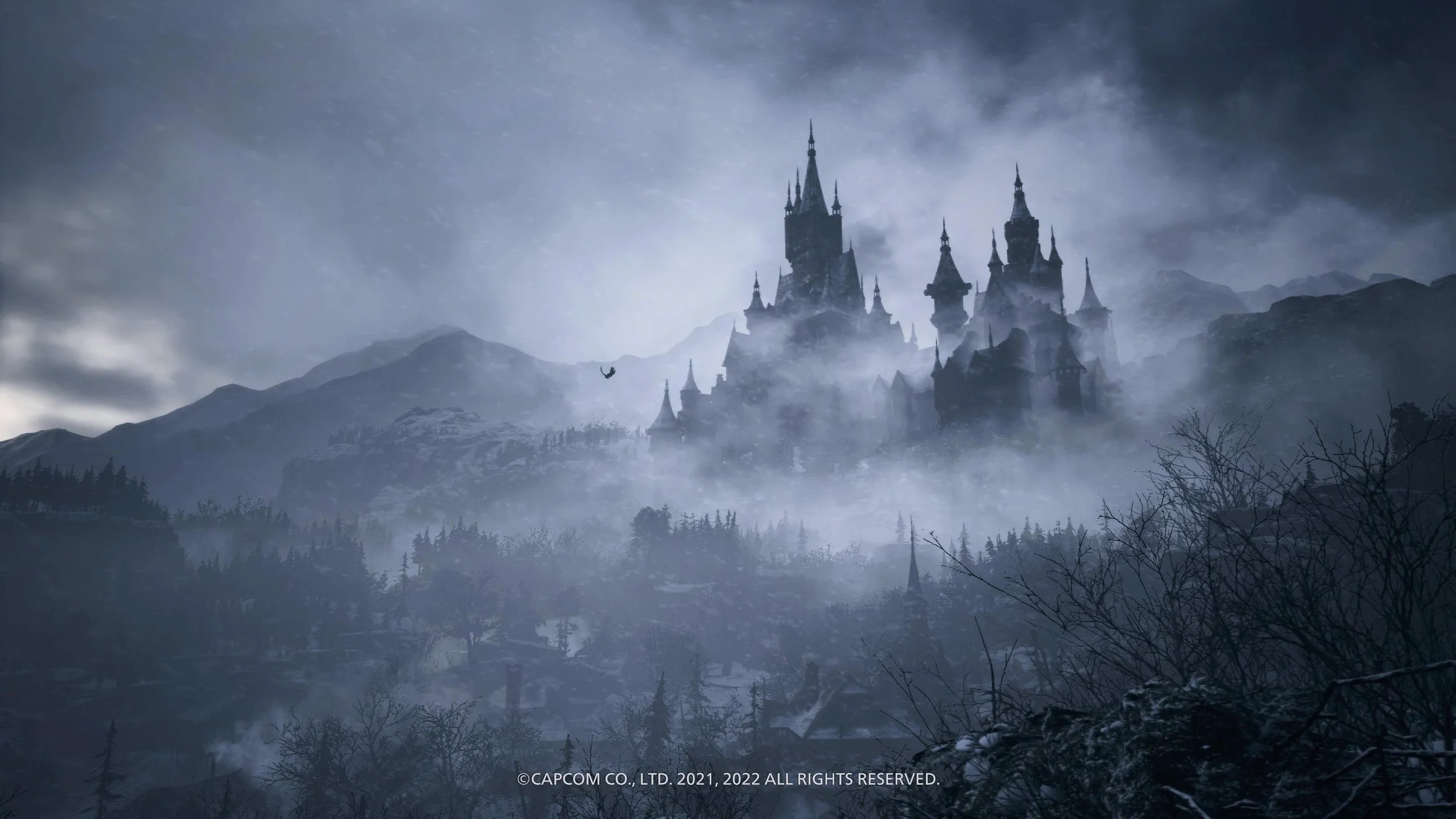
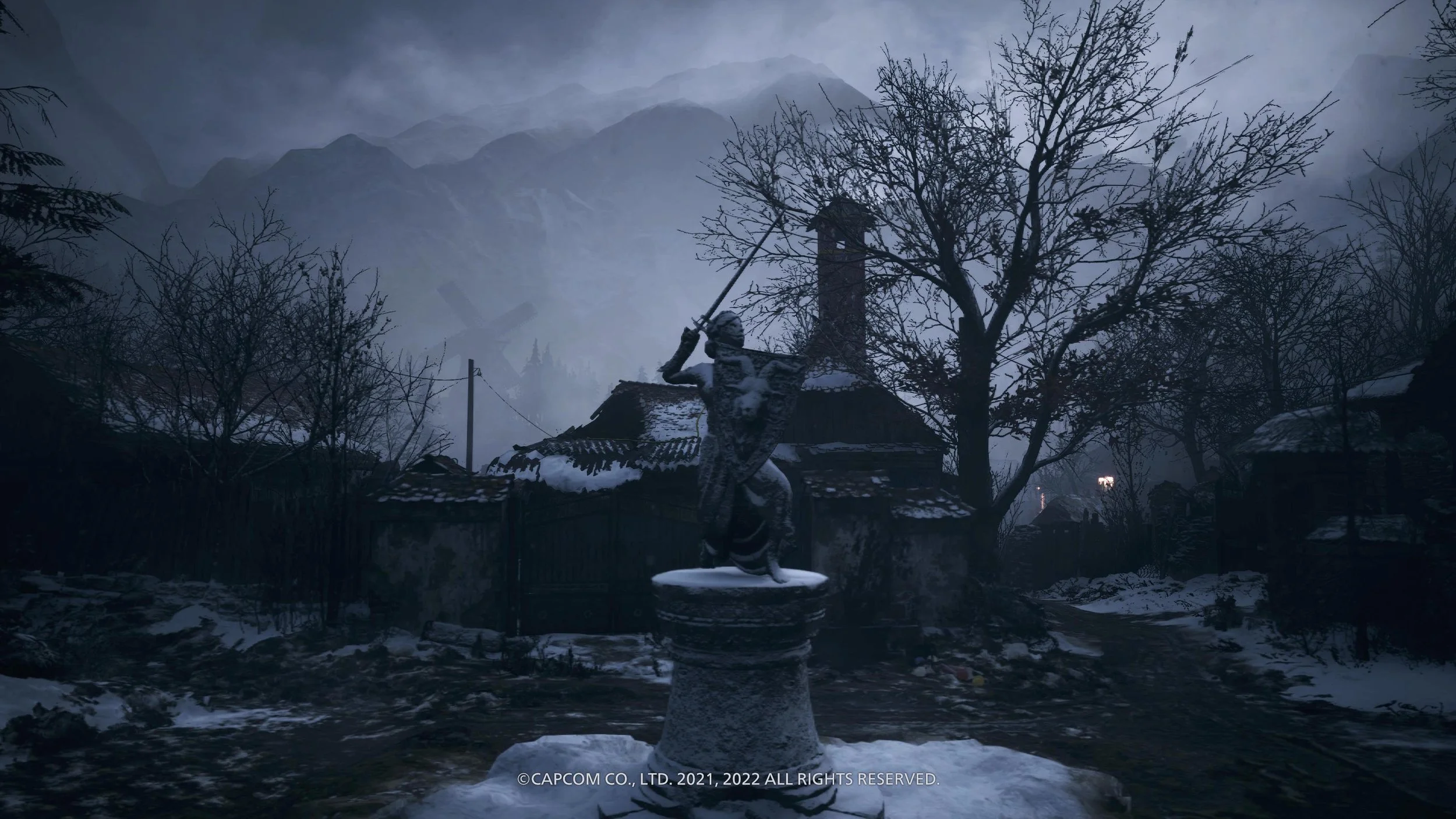
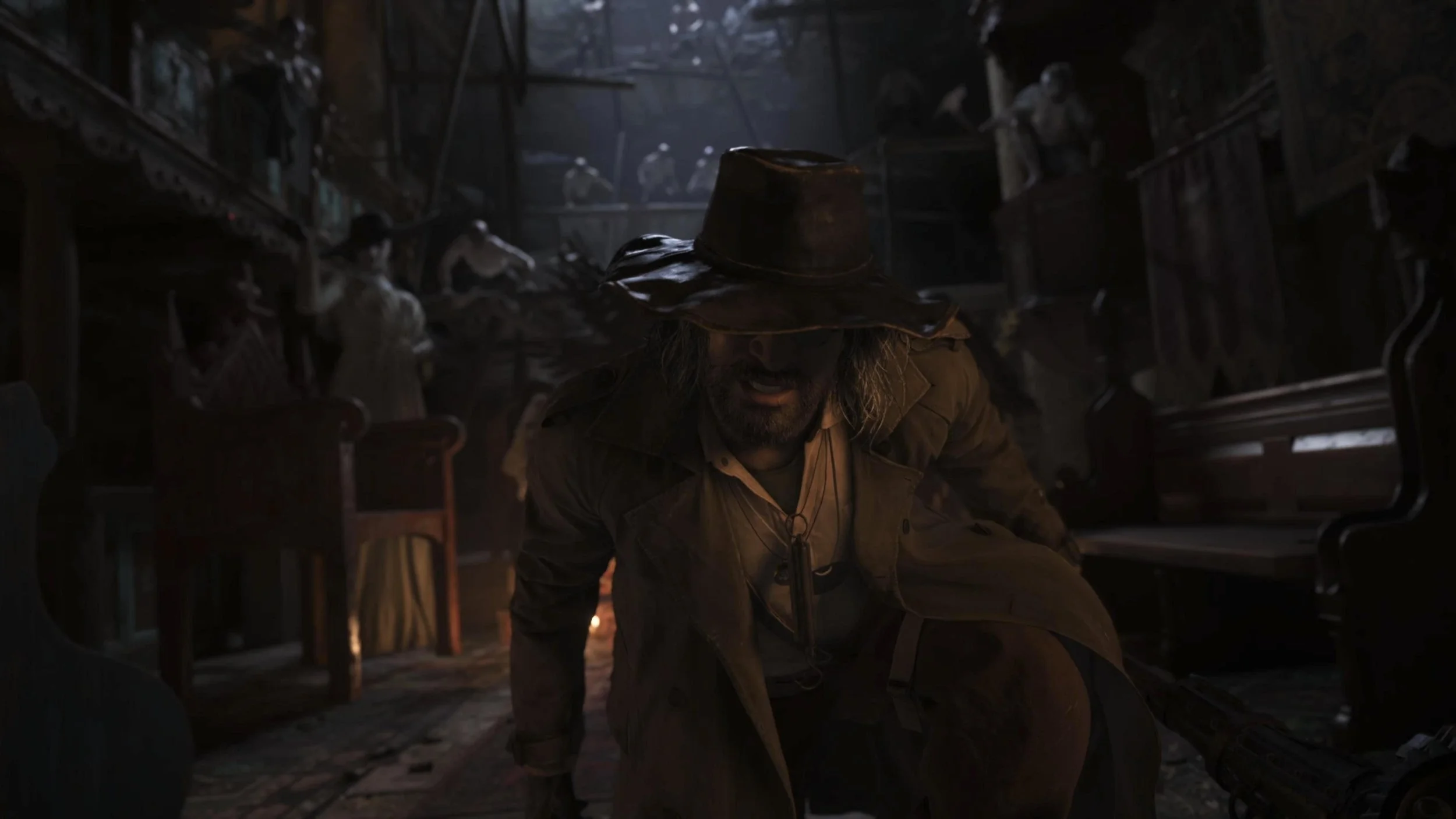
One thing I can and will always praise the RE series for is its commitment to art and design of enemies and areas. There are few series that can so consistently offer beautifully grotesque designs with each installment. The rustic European village towered over by a gothic castle is a view I will never forget, and the scene of a lycan biting my hand off will forever be burned into my memory. There are many examples of this game’s great design, but a standout for me is the secondary antagonist, Heisenberg, and his mechanical army. The combination of body horror and steampunk is very creative, and with all of it being led by a rustic Magneto, there really are no notes for the artistry in these characters.
◆ STORY ◆
The RE series has never been known for its stellar storytelling. Often its many narratives are filled with cliches and cheesy one-liners. This style is part of the charm however, and when done well, the narrative can be pretty entertaining to both laugh at and with. Since Biohazard succeeded in a darker tone, I think Village made an attempt to emulate it, but at the same time it strayed into its usual cliche narrative style as well. This dual focus pulls the entire narrative down with it as the story constantly tries to take itself seriously instead of embracing its more… shall we say “dumb” plot points.
The story follows Ethan Winters, protagonist of Biohazard, who after surviving the events of the last game, has moved into seclusion with his wife Mia and newborn daughter Rose. They try to live a happy life despite the trauma they’ve experienced, but while Mia does everything to move on, Ethan isn’t ready to. Their seclusion is interrupted when suddenly, their home is attacked by longtime RE protagonist Chris Redfield and his taskforce who in one breath, guns down Mia, kidnaps Rose and takes Ethan into custody without explaining why. Right off the bat, this is pretty ridiculous. Chris has always been the good guy throughout the series, so the player will definitely know that the situation isn’t exactly what it looks like, and it isn’t. Chris is trying to do a good thing here, but he explains absolutely none of it to Ethan, his friend and a man he saved in the story of Biohazard. This opener and center of tension for the entire story suffers from a real narrative practice called idiot plot, where one character withholds information for no reason other than to artificially manufacture tension… like an idiot.
One character withholds information for no reason other than to artificially manufacture tension… like an idiot.
What actually is happening here is that apparently the antagonist, a powerful woman called Mother Miranda, shapeshifted to look exactly like Mia and kidnapped her to replace her with Ethan being none the wiser. She has a special interest in Ethan’s daughter Rose, who apparently possesses a desirable power of, as of yet, unknown origin. What Chris was trying to do was kill Miranda and take Rose to safety, but he explains none of this to Ethan, who is now left in a state of trauma because he thinks he just lost his family. This is just poor writing to a confounding degree. Regardless, after Ethan is taken into custody, the convoy transporting him is attacked by the still alive Miranda, and Rose is taken away. Ethan wakes up alone in the forest next to the destroyed convoy, and he must trudge through the snow to find help, only to discover the European village, home of Miranda and her army, where the rest of the game takes place.
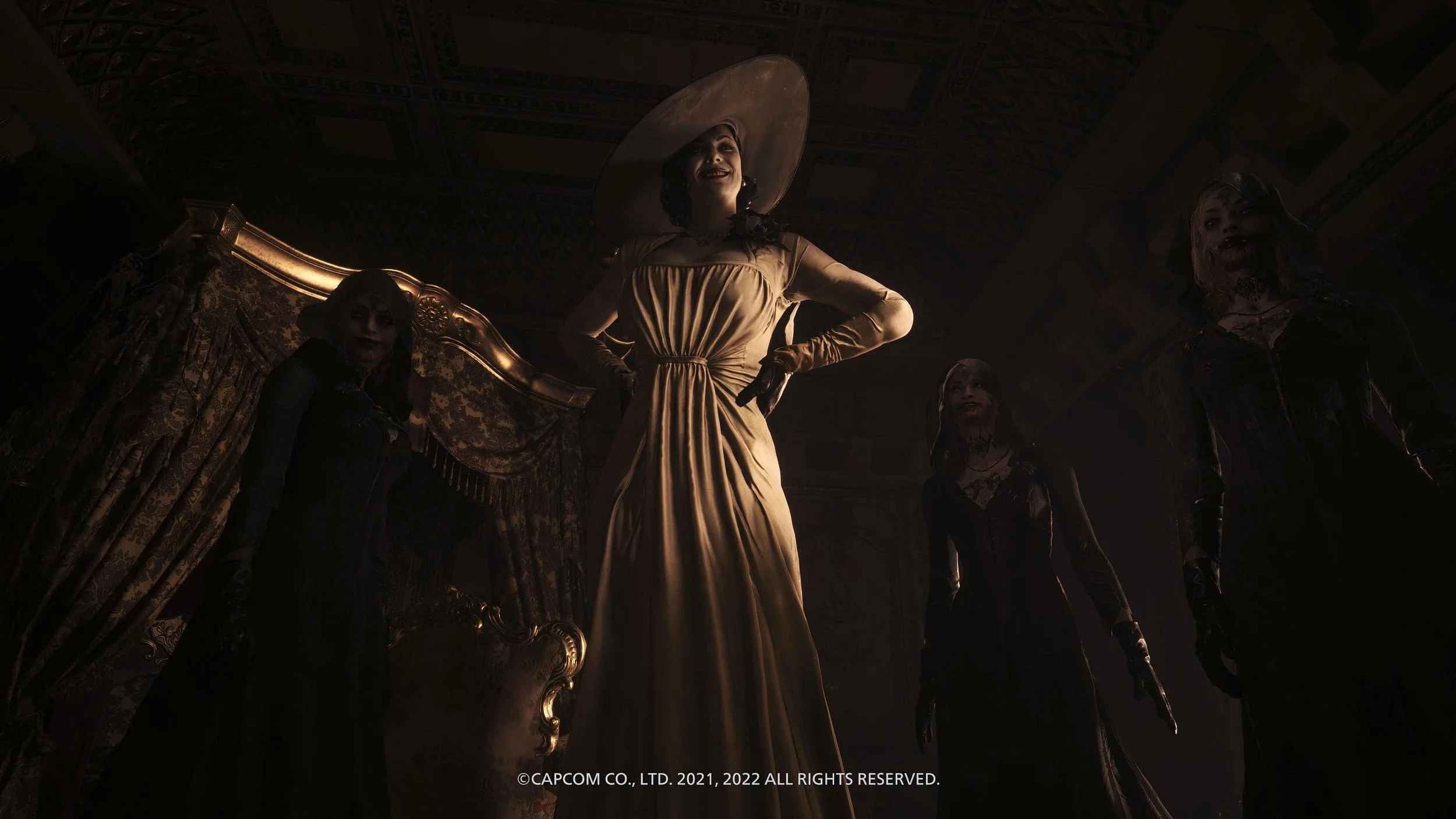

Ethan is immediately introduced to the horrific lycans that infest the village, and soon after he meets the antagonists lording over all the beasts. These are the vampire Lady Dimitrescu, the freaky puppet master Donna Beneviento and her doll Angie, the disgusting fish-man Salvatore Moreau and the metal-wielding Karl Heisenberg, all of which are led by Mother Miranda. Ethan discovers that each of these lords is holding onto a literal piece of Rose, who quite horrifically has been split into four pieces to unknown ends. These concepts are great, and thankfully are intriguing enough to warrant playing through the sub-par narrative.
For the rest of the game, Ethan hunts down the four lords after learning of a ritual to bring his daughter back to life. While the premise is great, the writing from moment to moment is not. The dialogue is likely the biggest offender in the narrative. Chris remains annoyingly withholding for no good reason, constantly talking down to Ethan as if it’s his fault his entire mission he’s been leading has gone to crap. Ethan, unfortunately, I found quite annoying as well, as he spouts the same two or three reactions to every single scenario in front of him. He barely feels like a character, as he constantly remains surprised and angry at everything, instead of adapting as the story goes on. If he adapted and changed his mood throughout, there would be a connection to the player, as they naturally will do the same as they become familiar with the setting and gameplay. Capcom really dropped the ball with its protagonists here, and while the ideas and concepts will always remain interesting to a degree, the way everything is presented and structured still matters most.
◆ CONCLUSION ◆
Overall, Resident Evil Village is a fun, but mixed bag. The improvements to combat compared to Biohazard still keep the basic experience entertaining, but in achieving this, the many other aspects of gameplay wither as a result. That topped with a mediocre narrative leaves the game fun, but flawed. Thankfully, Capcom has completely earned their respect again with their most recent release, and I will continue to support them if they keep learning the right lessons as they have.